
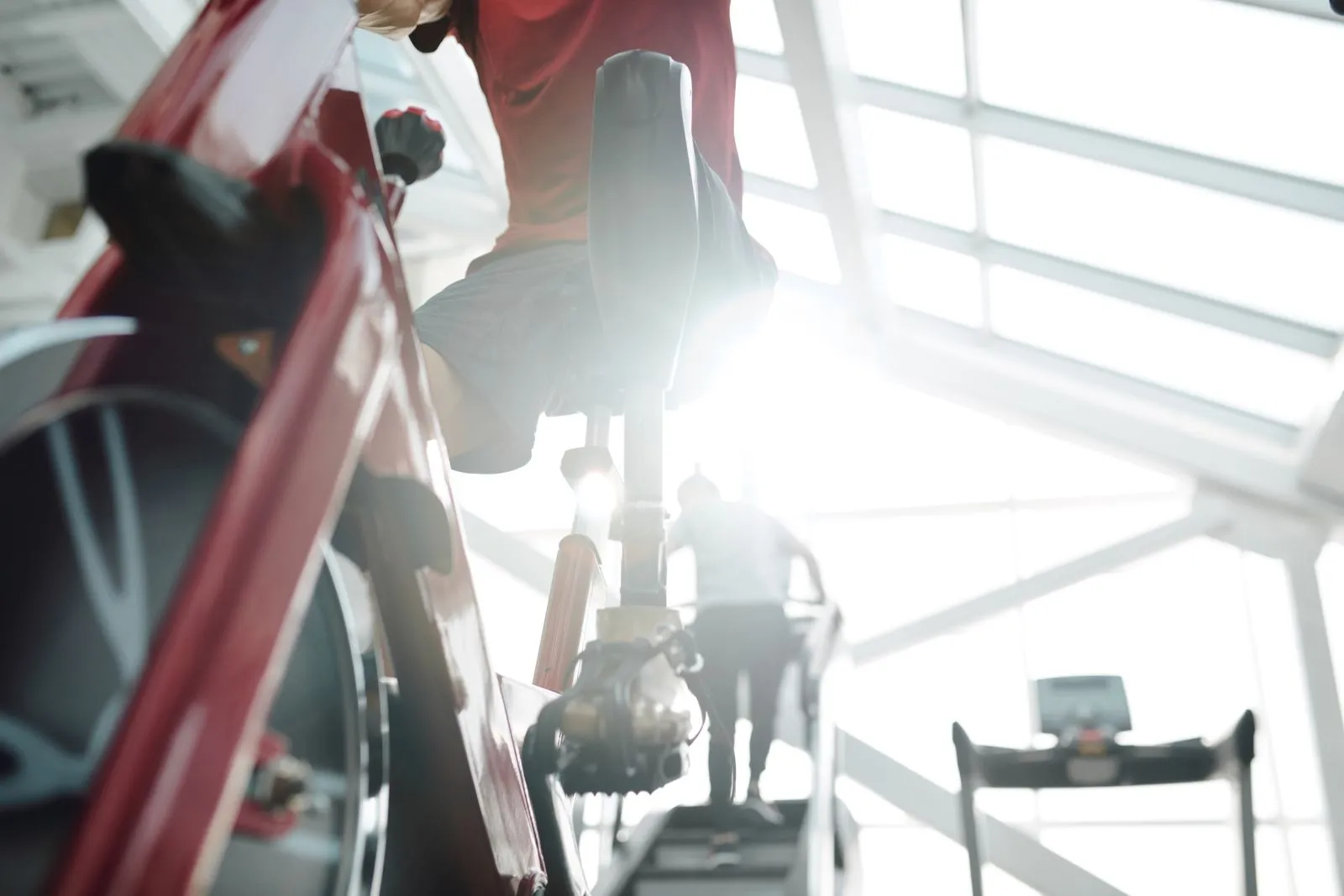
Trying an adaptive bike for the first time can bring up practical questions: How does the session work? What should you wear? What information will help the instructor support you? A little preparation can make the visit feel more comfortable, but you do not need to arrive with every detail figured out. Your first session is a chance to talk through your goals, explore suitable equipment, and decide together what feels safe and manageable.
What to Expect
Expect a conversation before you ride. An instructor may ask about your cycling experience, what you hope to do, and any factors that affect comfort or movement. You can discuss balance, coordination, fatigue, pain, communication, or other considerations that matter to you. You do not need to share a diagnosis unless you choose to; practical information about support and safety is often most useful.
The instructor can help you explore bike options and make adjustments to the seat, handlebars, pedals, or supports. You may try a stationary setup or a short ride before deciding whether to continue. Speak up if something feels uncomfortable, unstable, or tiring. You can ask to pause, change the setup, or stop at any time.
What to Bring and Wear
Choose clothing that allows comfortable movement and will not catch in the bike. Closed-toe shoes are a practical choice; bring any footwear or orthotics you normally use if they affect your riding position. Dress for the weather if part of the session takes place outdoors, and consider layers so you can adjust your temperature.
Bring any mobility aid, cushion, brace, or positioning item you regularly use and would like to try with the bike. If you use medication or equipment to manage a health need, bring what you ordinarily need during an outing. A water bottle can be helpful, and you may bring a support person if that makes the visit easier. Ask ahead about helmets and other equipment so you know what is provided.
Share Access Needs Ahead
Before your visit, contact the studio to describe what would help you take part. Specific requests are easier to plan for than general statements. For example, mention if you need step-free entry, extra time for transfers, a quiet space, instructions in a particular format, or help understanding the equipment. You can also say if you prefer the instructor to ask before offering physical assistance.
Share only what you are comfortable sharing. It may help to explain what makes transfers easier, how you signal discomfort, or when you need a rest. If you are unsure which details matter, ask what the session involves and talk through your questions with the instructor. Harbour Adaptive Cycling can discuss access arrangements before you arrive; confirm any equipment or facility needs directly with the studio.
Set a Comfortable Pace
Your first ride does not need to have a distance or speed goal. You might spend much of the session testing adjustments, practicing starts and stops, or getting used to the bike’s controls. Tell the instructor what feels manageable, and agree on a simple way to pause or end the ride. Short breaks can help you notice how your body responds.
After the session, consider what worked and what you would change next time. Note any adjustments that improved comfort, anything that caused strain, and how much rest you needed. This feedback helps guide future sessions and equipment choices. If you have questions after leaving, write them down while they are fresh and bring them to your next conversation with the studio.
A first adaptive cycling session is a chance to explore, ask questions, and find a setup that works for you—not a test of ability. Bring the items you rely on, share the access details that matter, and take breaks whenever needed. Contact Harbour Adaptive Cycling before your visit to discuss arrangements and make a comfortable start.